Amhara & Tigray
Highland and dryland landscapes with varied flowering trees, shrubs and cultivated forage.
Our locations
Six acquired sites across Sidama and Oromia. Each location will be developed as its own ecological unit — documented, profiled and connected to the landscape that feeds it.
The map
Markers are indicative — Kekros site coordinates will be refined after field surveys.
Highland and dryland landscapes with varied flowering trees, shrubs and cultivated forage.
Woodland vegetation and long-standing beekeeping traditions create strong development potential.
Broad lowland forests, wetlands and seasonal flowering vegetation offer a distinct forage landscape.
Mountain forests, agricultural land and rich natural vegetation support diverse seasonal bee forage.
A national honey landscape
Ethiopia is exceptionally gifted for honey, with extraordinary ecological diversity and major unrealized potential.
FAO figures for 2018 ranked Ethiopia first in Africa and tenth globally for honey production. Rankings vary by year, so we present this as evidence of the country’s established strength rather than a permanent position.
Source: FAO honey and beeswax statisticsOromia portfolio
Southwestern Oromia is renowned for coffee production, forest ecosystems and exceptional plant diversity — including some of the world's most important natural habitats for wild Coffea arabica.
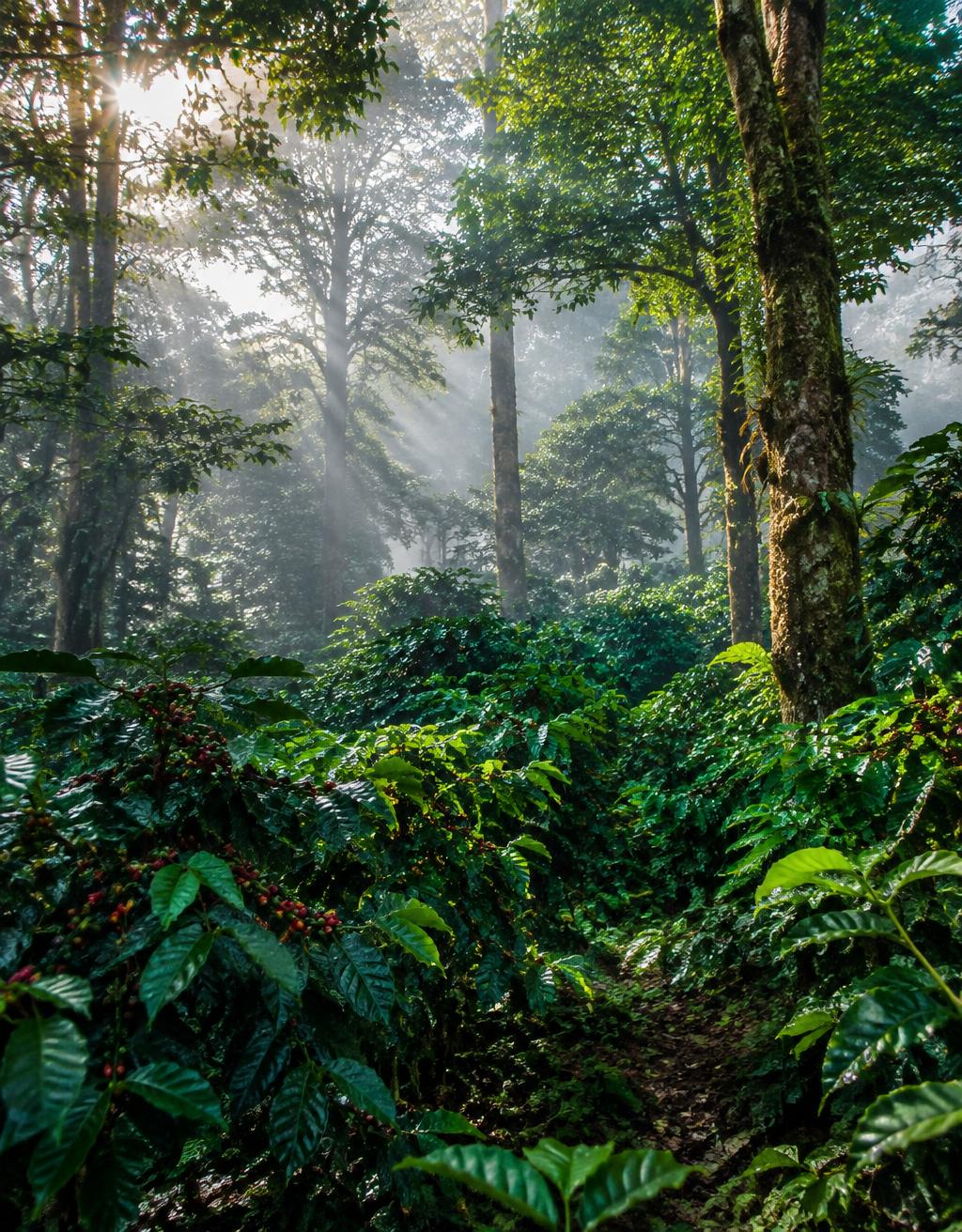
A forest-coffee environment with documented exceptional bee-flora diversity and strong scientific relevance to Ethiopian apiculture.
Site profile →OromiaA coffee-growing landscape within a wider mosaic of agriculture, forest and diverse vegetation.
Site profile →OromiaA forest-oriented landscape associated with the Belete ecosystem and moist evergreen Afromontane vegetation.
Site profile →Sidama portfolio
A landscape of highland agriculture and agroforestry. Sidama extends from warm, drier lowland environments to cooler, humid highlands — with coffee and enset as anchor crops of many farming landscapes.
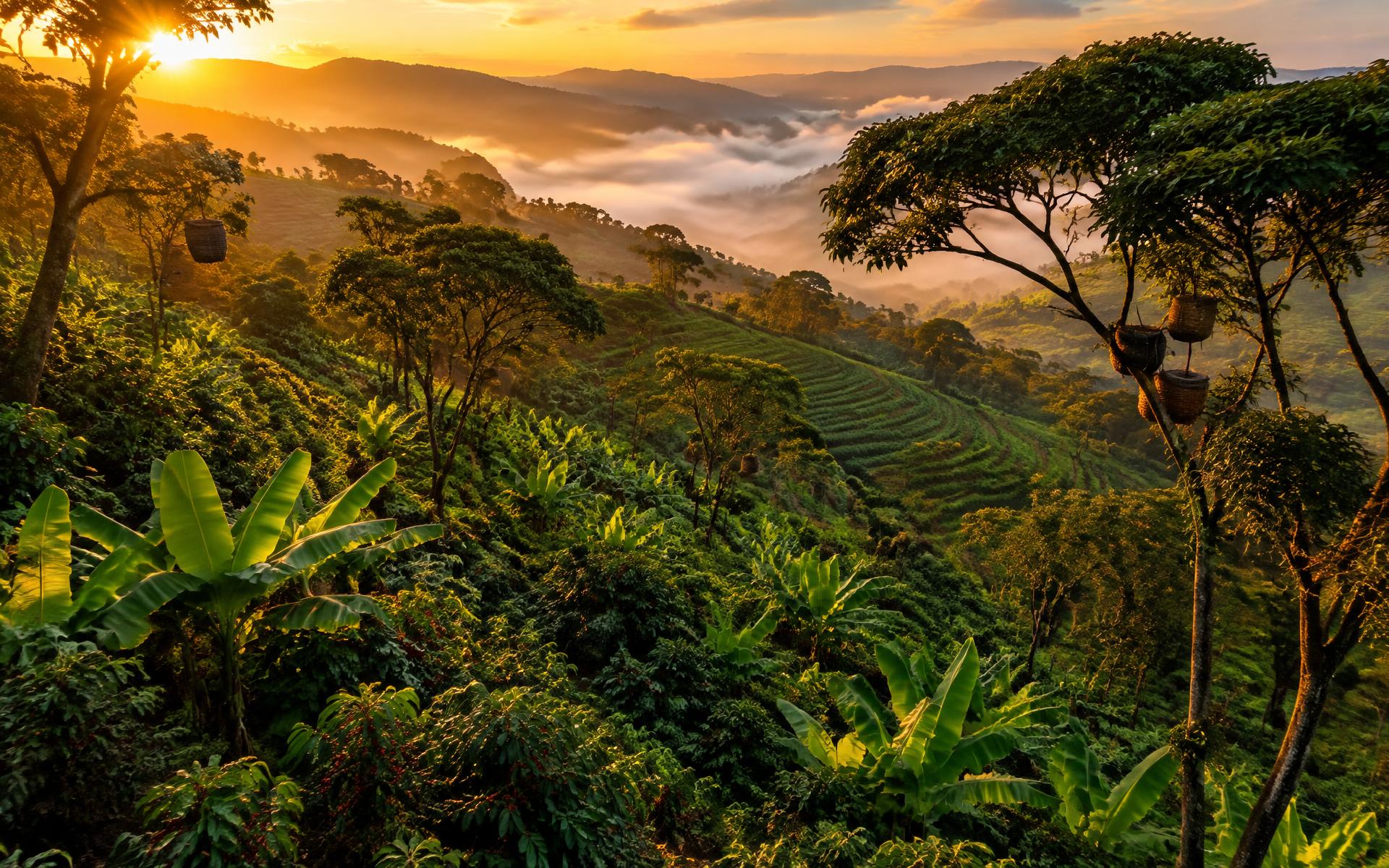
Landscape impressions of the Sidama region — field photography from our sites will follow as documentation continues.
An agroforestry landscape where agriculture, trees and flowering vegetation can support integrated beekeeping.
Site profile →SidamaA highland environment offering the opportunity to explore the relationship between elevation, vegetation, coffee and bee forage.
Site profile →SidamaA complementary Sidama site that will contribute to our understanding of local floral diversity and seasonal bee forage.
Site profile →Our six-site strategy
Together, these locations provide the opportunity to develop a geographically diverse Ethiopian beekeeping portfolio — where ecological health and economic value reinforce each other.
Read our approach