Shebe
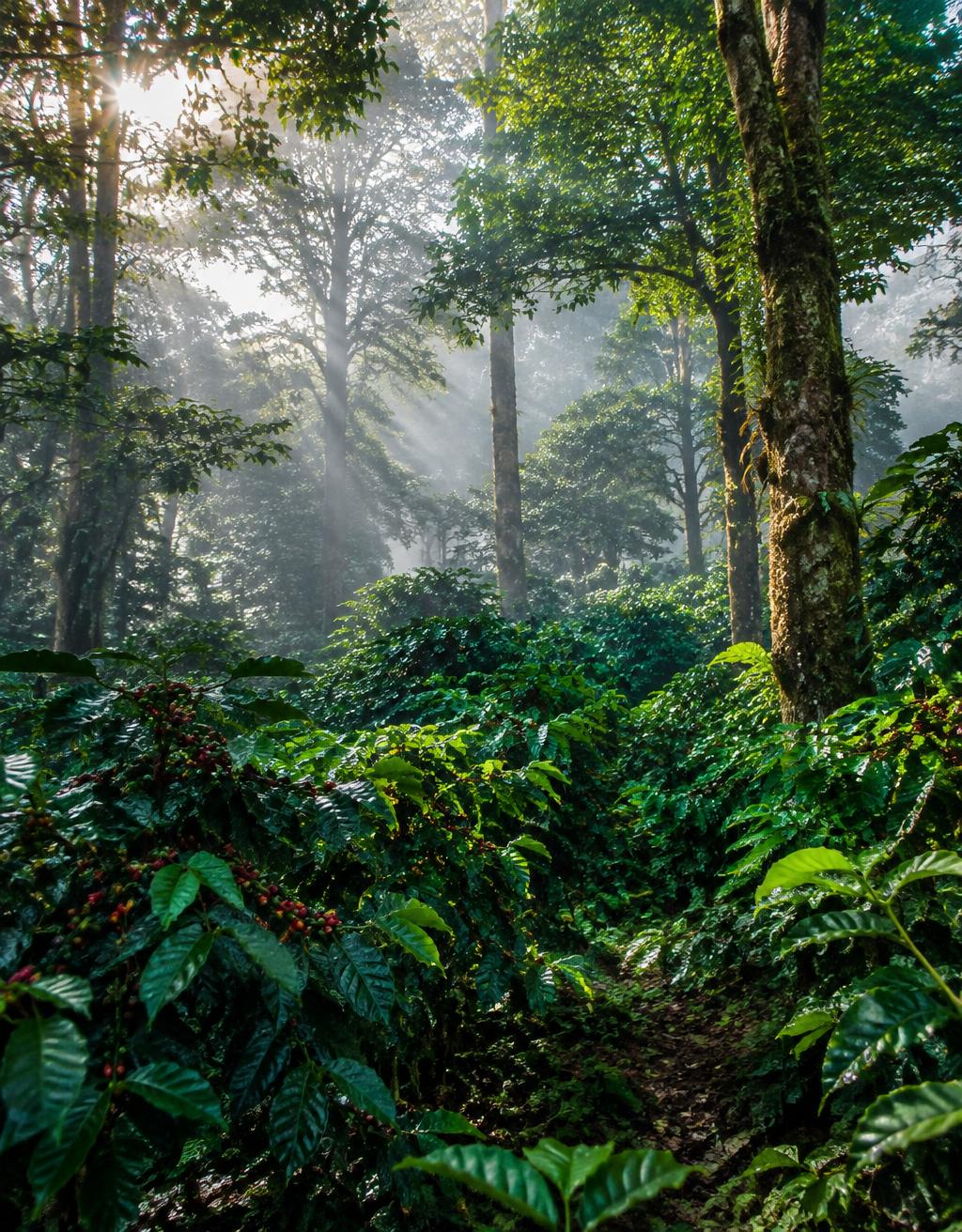
A forest-oriented landscape associated with the Belete ecosystem and moist evergreen Afromontane vegetation.
Our Shebe location is particularly interesting because of its relationship with the Belete forest landscape. Belete Forest is located in Shebe Sombo District in Jimma Zone, Oromia, and research characterizes it as a moist evergreen Afromontane forest with undulating terrain.
Belete Forest, together with Gera Forest, was designated among Ethiopia's national forest priority areas.
Site profile
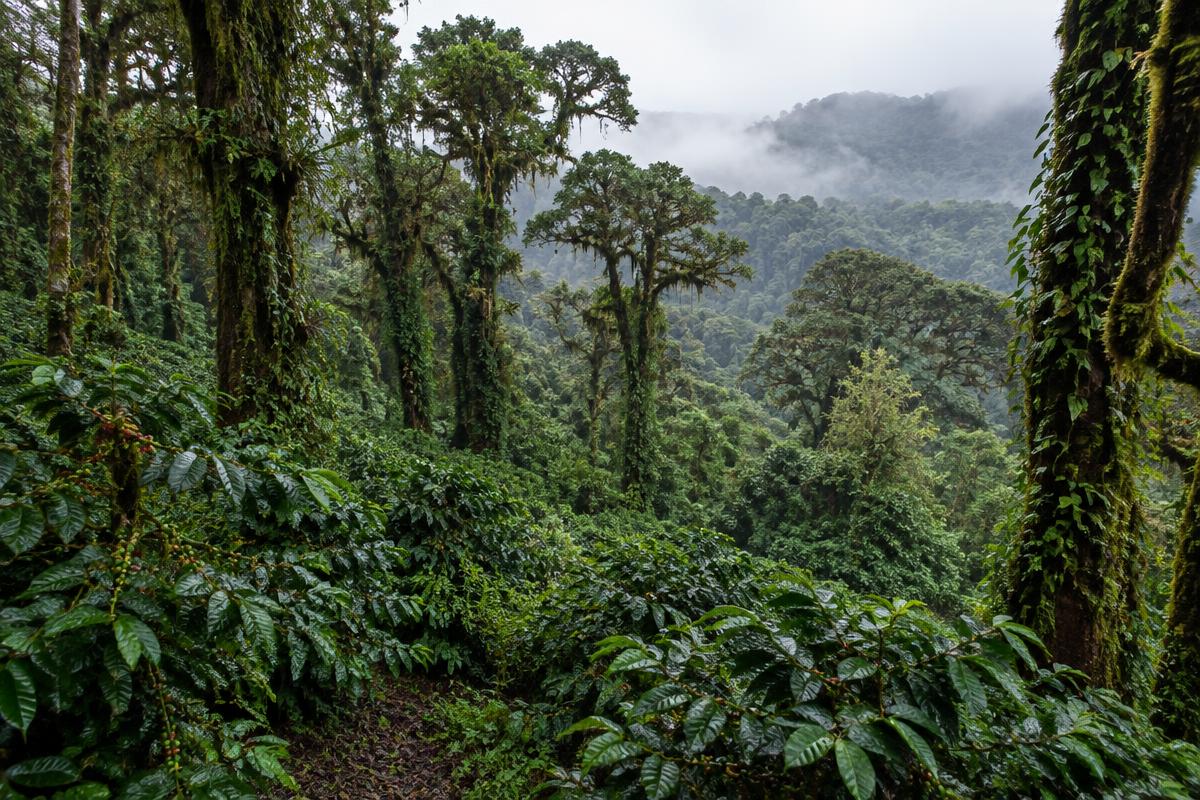
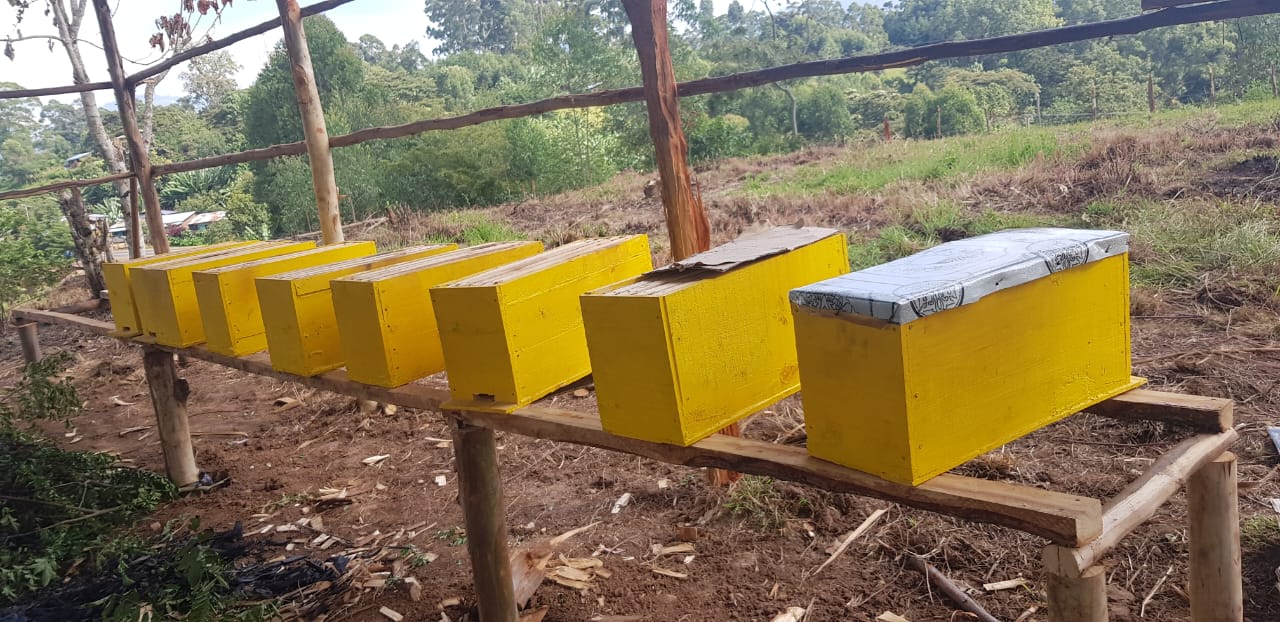
The landscape behind the hives.
- Landscape
- Vegetation
- Mature Afromontane trees
- Understory vegetation and shrubs
- Climbers and herbaceous plants
- Wild coffee
- Natural pollinator habitat
- Bee flora
- Forest understory flowering plants
- Wild coffee blossoms
- Seasonal herbaceous forage
- A forest flowering calendar to be documented
- Beekeeping potential
- Beekeeping that respects the ecological character of the forest
- Biodiversity, forest protection and bee health as priorities
- Responsible apiary management and floral documentation
Location & elevation
GPS coordinates, elevation and further site photographs are being collected as part of our field documentation programme and will be published here.
Our vision for Shebe
A landscape-first apiary.
Our ambition for Shebe is to establish a beekeeping presence that respects the ecological character of the surrounding forest landscape. The project will prioritize biodiversity, forest protection, bee health and long-term sustainability.
The goal is to make the bees part of the landscape — not to transform the landscape simply for the bees.